
Hanana Nui
- Special Upcoming Events -

Papahana Puakahīnano
Hāʻulelau 2026 After-School Workshop Series
WAIULI 3D MAPPING | HOʻOKUA | MAKAHIKI | I HĀ LOA KE OLA
EŌ E NĀ HILO,
We are exited to announce our Fall Semester After-School Workshop Series.
This Fall Workshop Series will provide haumāna with hands-on, place-based learning connected to Hui Hoʻoleimaluō’s ʻāina goals, engagement with cultural practices and stewardship projects, and larger community planned events. Throughout the semester, haumāna will engage across our ʻāina - māla & nāhele, kai - loko iʻa & kuanalu at places such as Waiuli, Kaumaui, and Pāhoaka to build skills and knowledge through direct experiences these wonderful places.
Registration will open at 3:00pm
September 18, 2026
*We encourage interested families to review the workshop offerings and register for the opportunities that best fit their keiki
*Registration Links will be deactivated once programs are at full capacity!
Click Here To Register
Through these experiences, haumāna will build practical skills and strengthen their understanding of mālama ʻāina, mālama kai/loko iʻa, ʻōlelo Hawaiʻi, ʻike moʻomeheu Hawaiʻi, environmental stewardship, STEAM, and community kuleana. The series supports haumāna in developing meaningful relationships with the ʻāina and kai while becoming active participants and future kiaʻi of their communities.
After-School Workshops
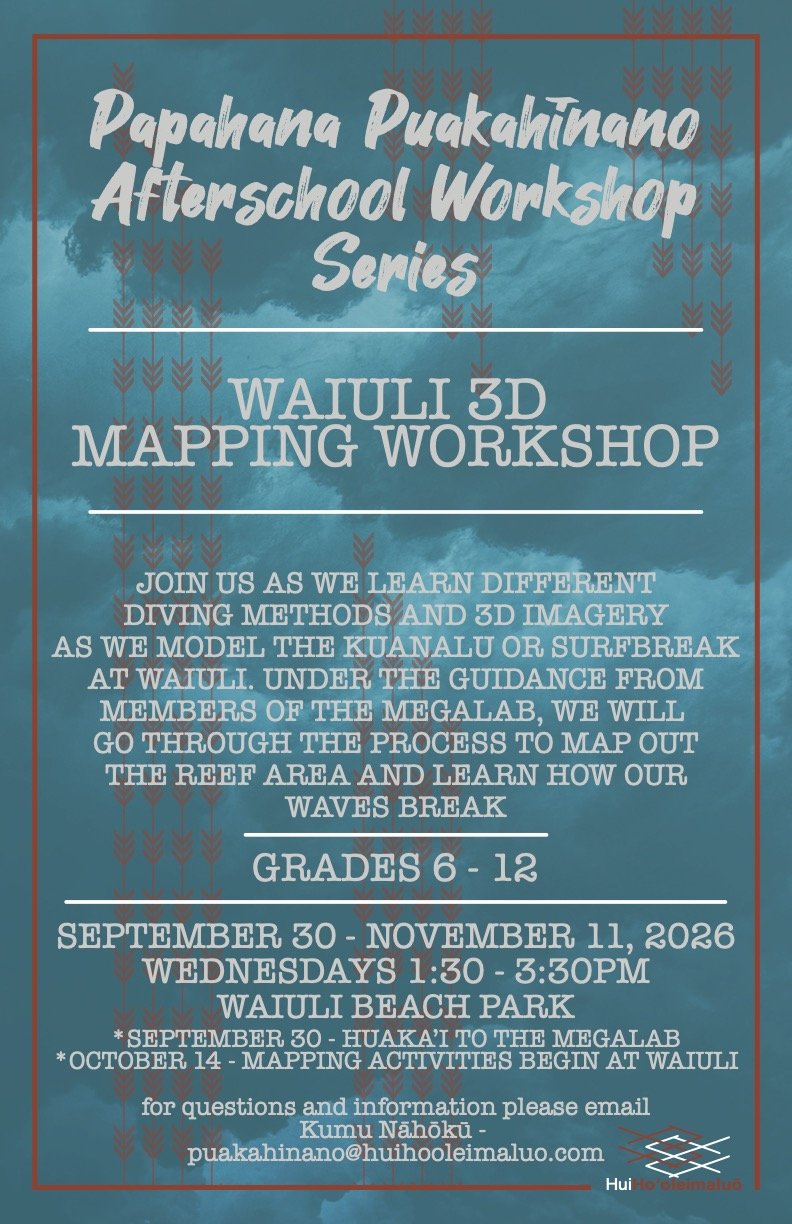
• Waiuli 3d Mapping :
Waiuli drone and 3D reef mapping of surfbreak
Grades 6 - 12
Wednesdays @ Waiuli
September 30 - November 11
Wednesdays 1:30 - 3:30pm
Haumāna will explore Waiuli through drone mapping, underwater photography, and 3D imaging. They will learn how to capture and process imagery to create a 3D model of the Waiuli surf break, establishing a baseline for future observation and reef monitoring.
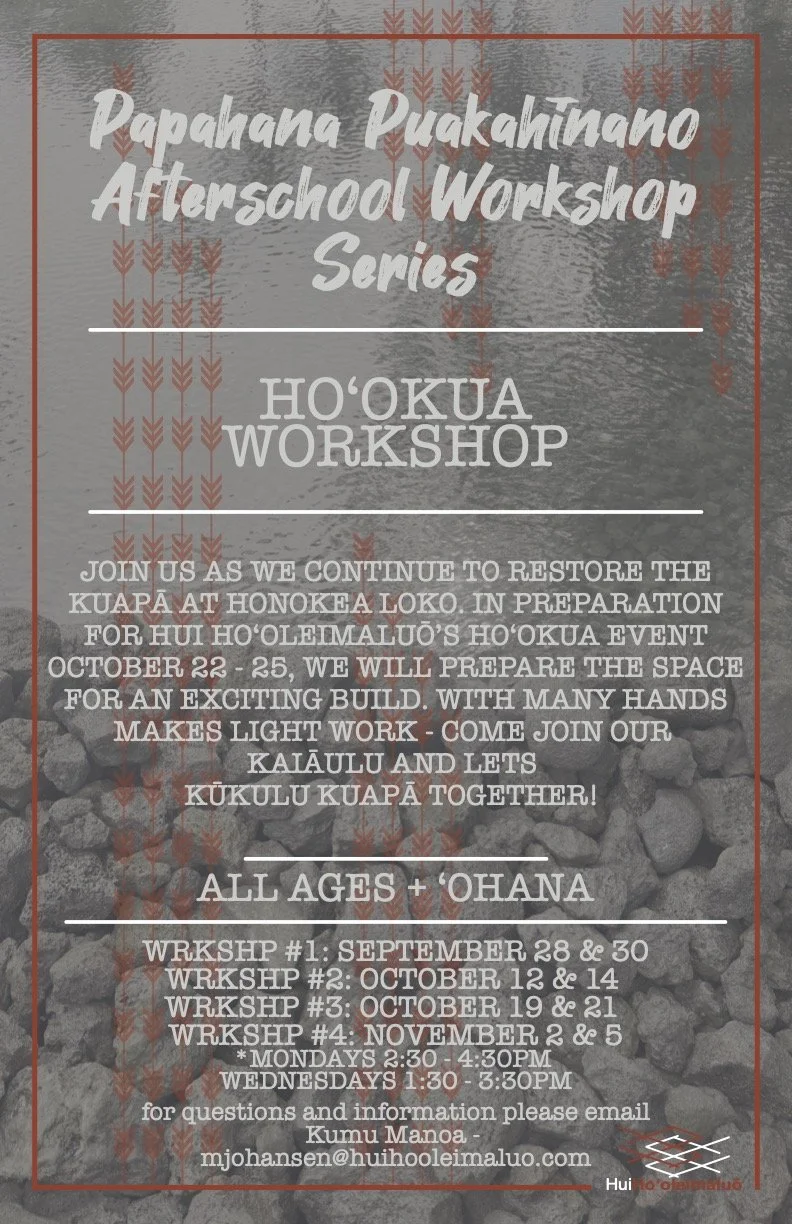
• Hoʻokua :
Pōhaku recruitment and loko iʻa restoration
Grades 4 - 12 + ʻOhana
Mondays 2:30 - 4:30pm
& Wednesdays 1:30 - 3:30pm
@ Honokea Loko, Waiuli
October 12, 14, 19, 21 & November 9, 11, 16, 18
Haumāna will participate in hands-on loko iʻa restoration through pōhaku recruitment and kuapā restoration at Honokea Loko Iʻa. This workshop provides an opportunity to learn about loko iʻa systems, mālama kai, traditional practices, and the importance of caring for our coastal resources.
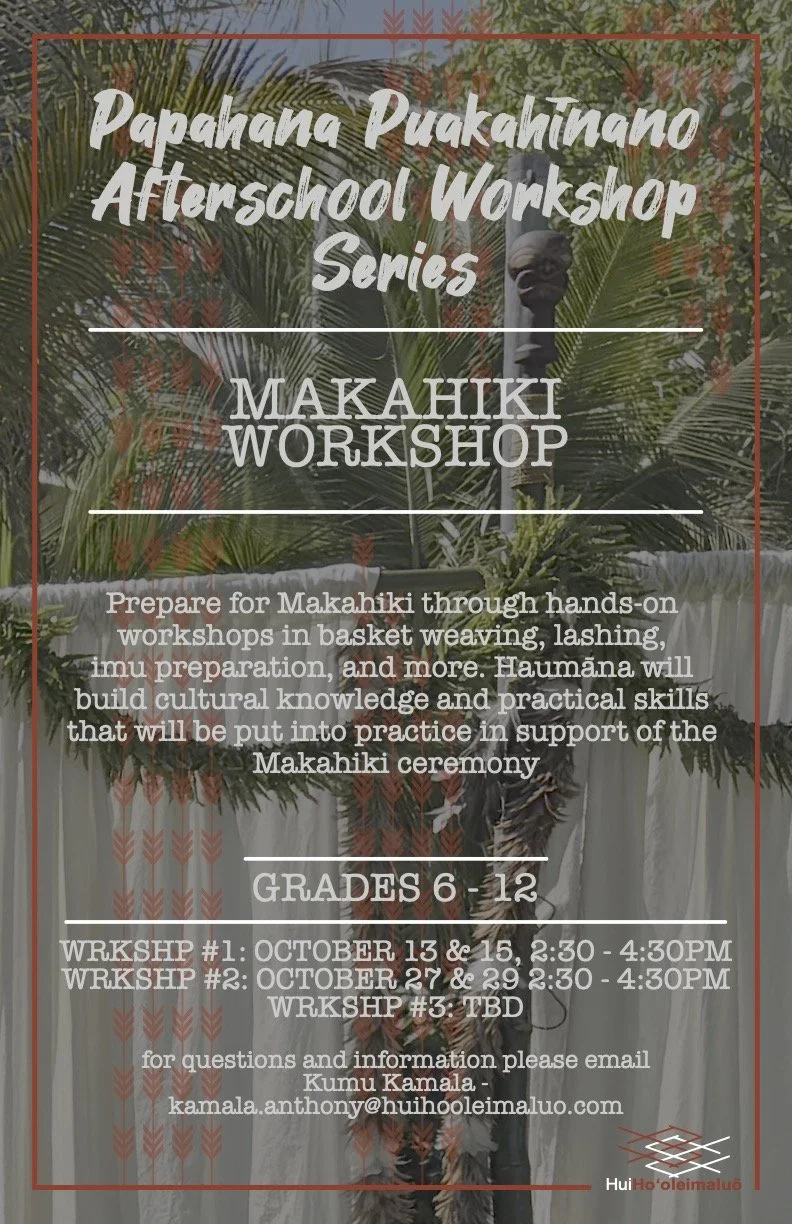
• Makahiki :
Makahiki introduction - preparation and basket weaving, Lele lashing and construction, and ima knowledge and planning
Grades 6 - 12
Tuesdays & Thursdays @ Kaumaui 2:30 - 4:30pm
October 13 & 15 (More dates to come)
Haumāna will be introduced to Makahiki preparations and practices, including basket weaving, lele lashing and construction, imu knowledge and planning, and other activities connected to the Makahiki season.
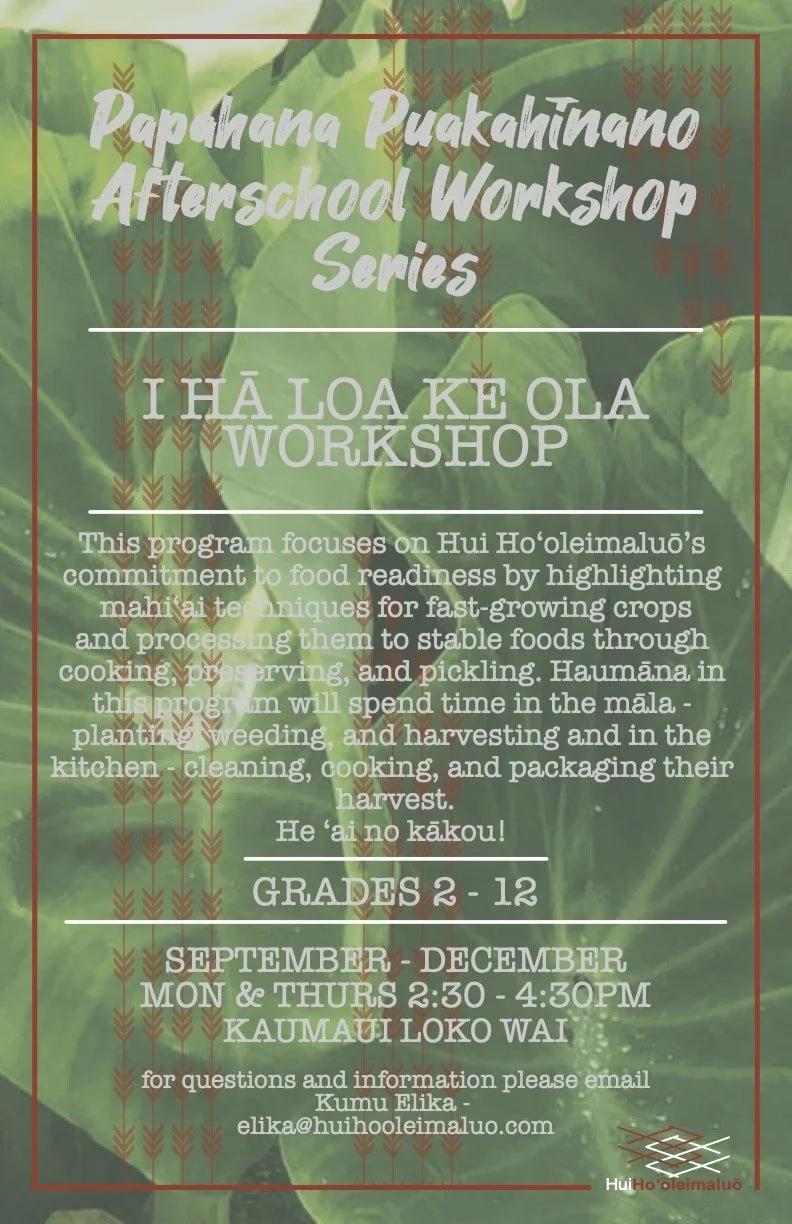
• I Hā Loa Ke Ola :
Māla cultivation and food preparation/preservation
Grades 2 - 12
Mondays & Thursdays @ Kaumaui 2:30 - 4:30pm
Every other Wednesday @ Pāhoaka
October 12 - December 17
October 13 & 15 (More dates to come)
Haumāna will learn about māla cultivation, harvesting, food preparation, and traditional and contemporary methods of food preservation while developing practical skills that support food sustainability and mālama ʻāina.
HĀʻULELAU 2026
HOʻI HOU I KEALOHA | HOLOKAI | LOKO IʻA
Welina mai me ke aloha!
Hui Hoʻoleimaluō is happy to share that registration is now open for Papahana Puakahīnano – Fall Intercession 2026!
Programming Registration Link
REGISTRATION HAS BEEN FILLED!
*Please register for one program per keiki as space is limited!
*Registration Links will be deactivated once programs are at full capacity!
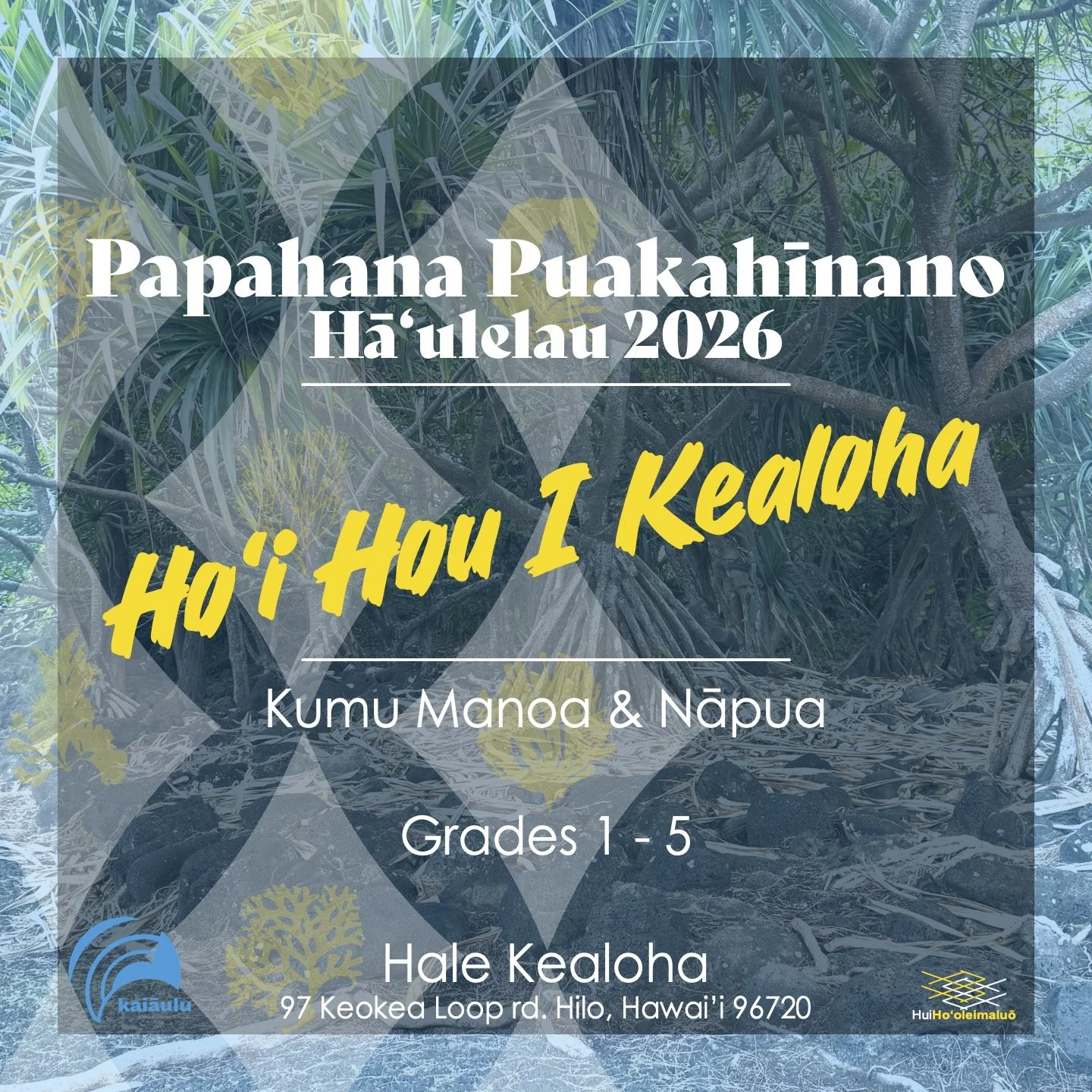
Hoʻi Hou I Kealoha
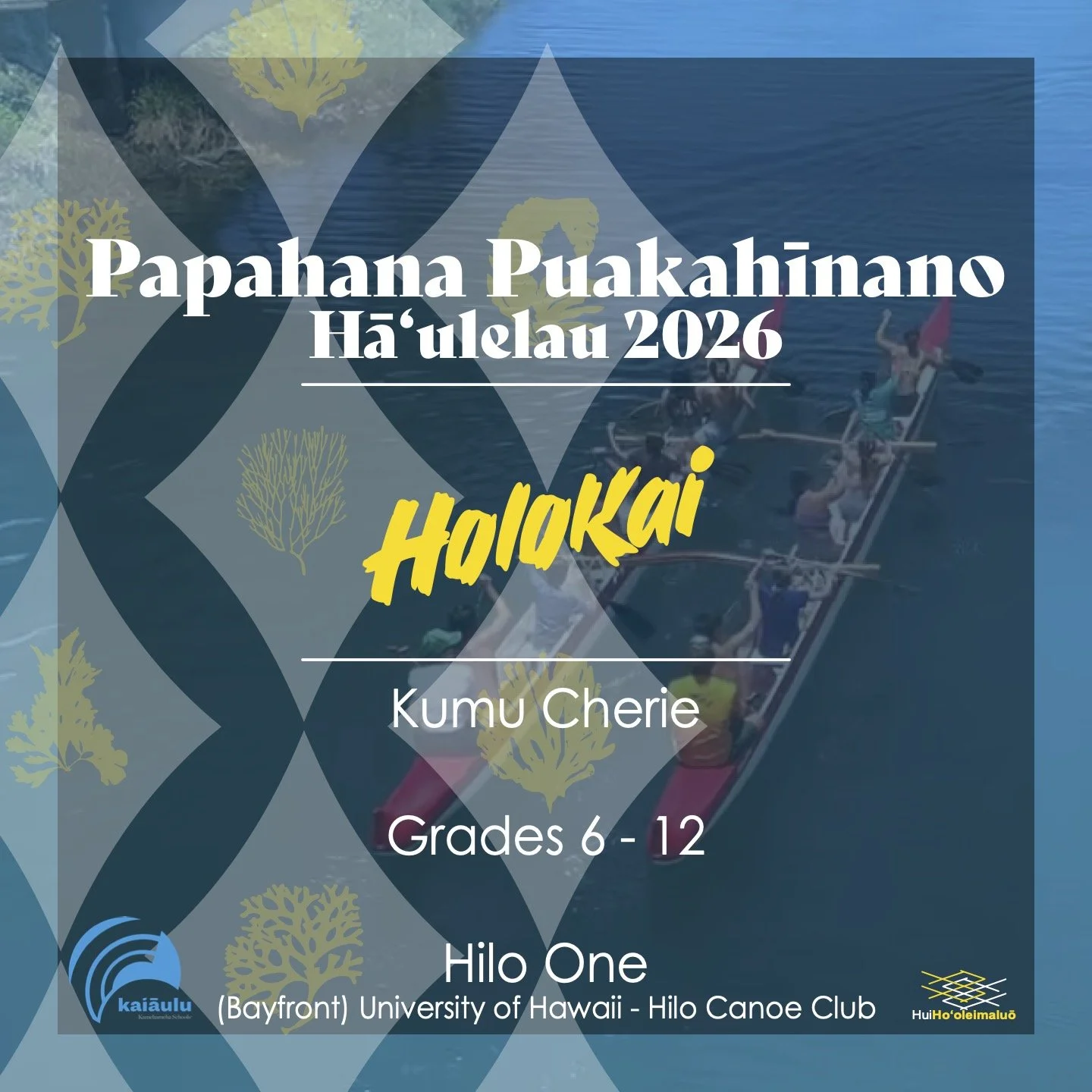
Holokai
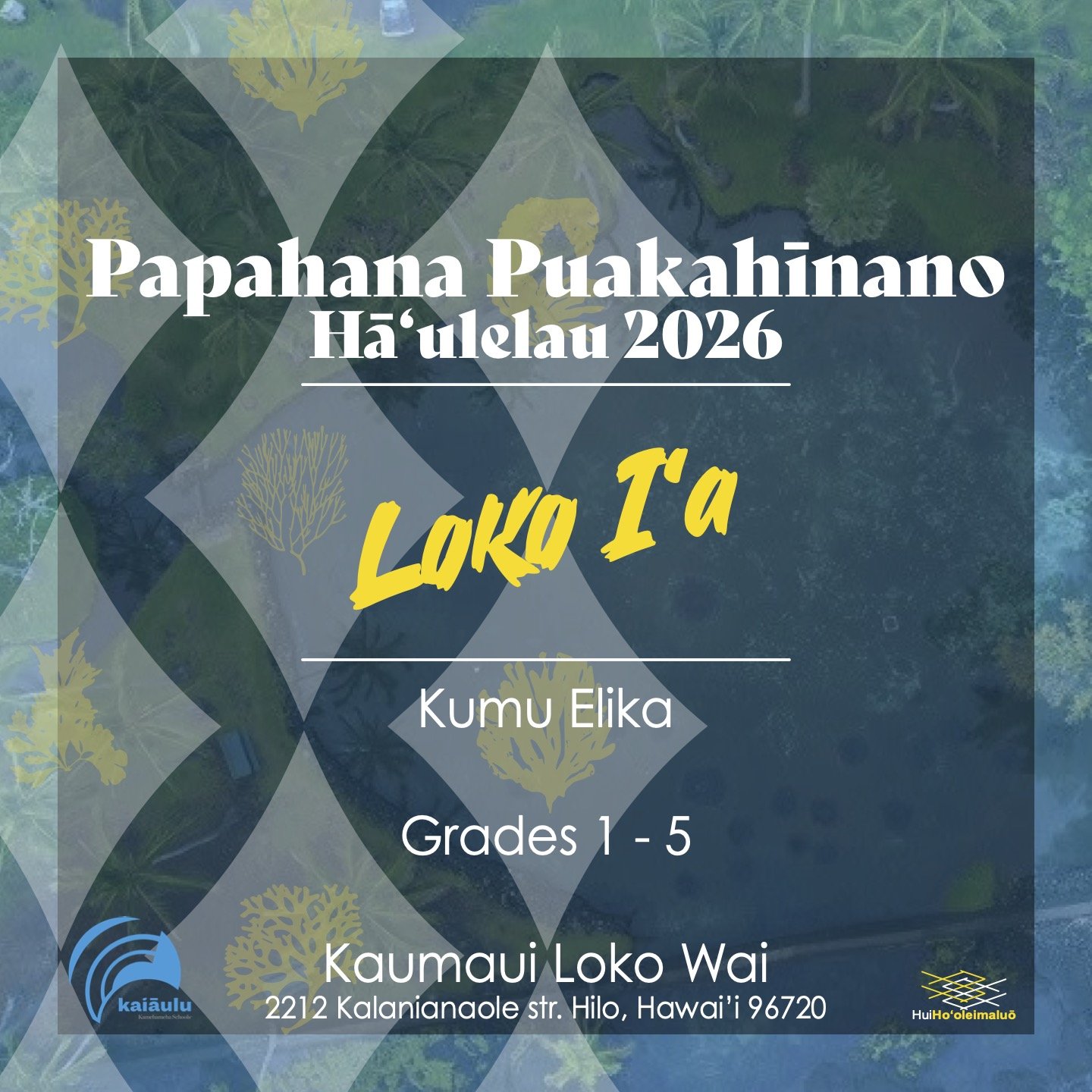
Loko Iʻa
Papahana Puakahīnano offers keiki and ʻōpio a meaningful opportunity to strengthen their connection to ʻāina through hands-on learning rooted in STEAM education, traditional Hawaiian practices, and community engagement. Participants will take part in wahi pana exploration, restoration, and stewardship of ʻāina and loko iʻa ecosystems at Honokea Loko Kuapā, Kaumaui Loko Wai, Hale Kealoha & Kēōkea Loko Wai and Hilo One.
Program Attendance Commitment Statement:
*Due to limited program capacity, families who enroll their keiki are expected to commit to full participation for the entire week of the program. Consistent attendance is essential to ensure equitable access for all participants. Failure to comply with this attendance commitment may jeopardize eligibility for future program enrollment. Students must register based on the grade level they have completed, not their upcoming grade.
Our Program Coordinator, Nāhōkū Kahana (puakahinano@huihooleimaluo.com), will follow up with ʻohana and confirm participant placement within two weeks of registration.
Mahalo nui,
Hui Hoʻoleimaluō
October 5 – 9, 2026
• Hoʻi Hou I Kealoha :
Hale Kealoha - 97 Keokea Loop road
Grades 1 - 5
• Holokai :
Hilo One (Bayfront) - University of Hawaiʻi - Hilo Canoe Club
Grades 6 - 12
• Loko Iʻa :
Kaumaui Loko Wai - 2212 Kalanianaole Street, Hilo Hi 96720
Grades 1 - 5